Доставка свежих фруктов in 2024: what's changed and what works
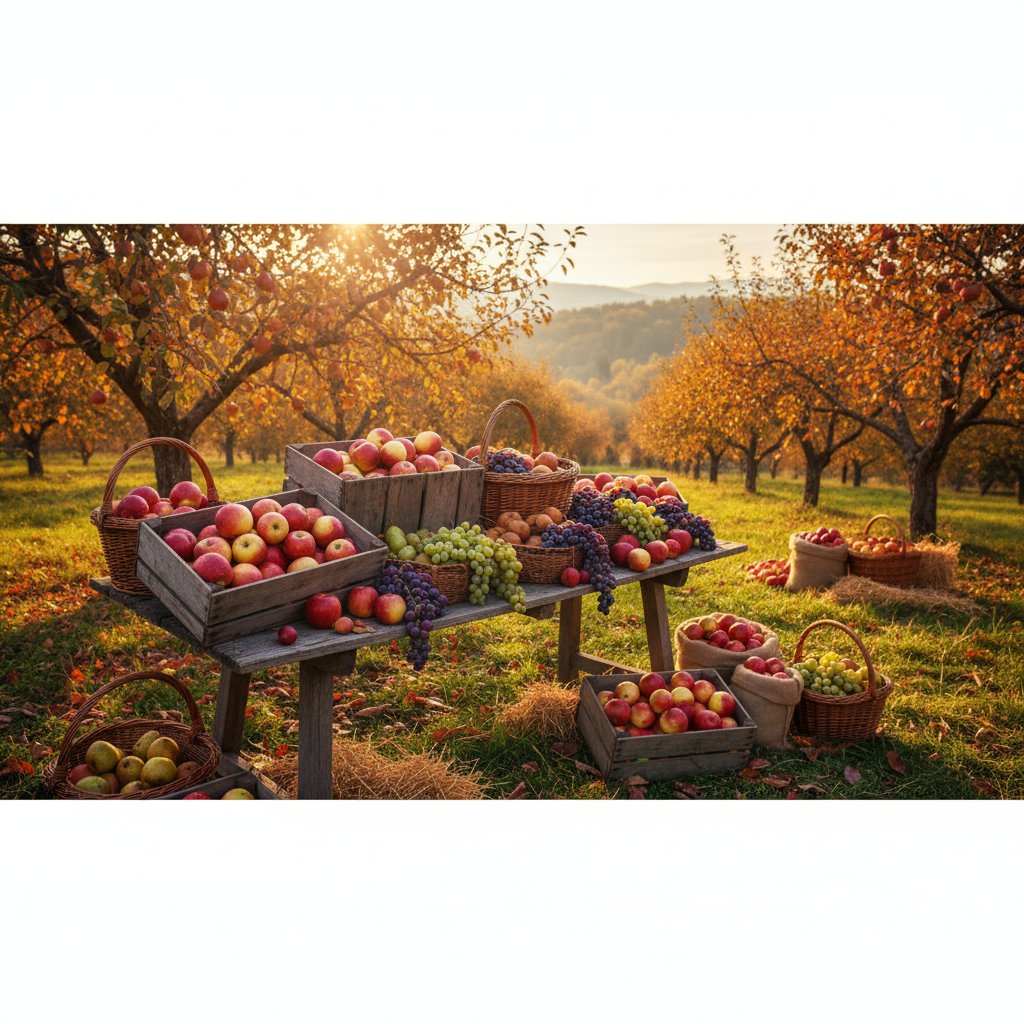
Fresh fruit delivery has exploded over the past few years, and 2024 brought some game-changing shifts to how we get our mangoes, berries, and everything in between. Whether you're a customer wondering if these services are worth it or a business owner trying to stay competitive, here's what actually matters right now.
1. Same-Day Delivery Became the Baseline (Not a Premium Feature)
Remember when same-day delivery cost an extra $15 and felt like a luxury? Those days are gone. Most fruit delivery services in major cities now offer same-day as standard, with some promising delivery within 2-3 hours of ordering. This shift happened because micro-fulfillment centers popped up everywhere—small warehouses tucked into urban neighborhoods instead of massive distribution hubs 50 miles outside town.
The economics work because these services batch orders by neighborhood. Instead of sending one driver to deliver your strawberries, they're dropping off 8-12 orders on the same route. Companies like Instacart and local players figured out that speed matters more than breadth of selection. A service offering 40 fruit varieties delivered today beats one with 200 options arriving in three days.
What actually works: Setting a cutoff time (usually 10 AM or noon) for same-day orders. This gives warehouses time to pick, pack, and route deliveries efficiently. Services that promise "order anytime, get it today" typically struggle with logistics and quality control.
2. Subscription Models Got Smarter (And More Flexible)
The old subscription model was rigid: you got a box every week whether you needed it or not. Half your bananas went brown while you were traveling. In 2024, successful services introduced "smart subscriptions" that let you skip weeks through an app, adjust quantities, or pause for up to a month without penalties.
The data backs this up—subscription retention rates jumped from around 35% to over 60% when services added flexibility. People want the convenience of regular deliveries without feeling locked into a commitment. Some services now use AI to suggest adjustments based on your ordering patterns. If you consistently skip stone fruits in winter, the system learns and stops including them.
Pricing shifted too. Instead of one-size-fits-all boxes at $45 weekly, tiered options emerged: small ($28-32), medium ($45-52), and family-size ($68-75). The sweet spot seems to be medium boxes delivered bi-weekly, which balances freshness with convenience.
3. Transparency About Sourcing Became Non-Negotiable
Customers in 2024 won't tolerate vague "farm-fresh" claims anymore. Successful services now provide specific details: which farm, which region, when it was picked. Some apps show a mini-profile of the farmer with photos and a brief story. This isn't just feel-good marketing—it's become a trust signal.
One mid-sized delivery service in California saw a 40% increase in customer lifetime value after adding sourcing transparency to their platform. They included harvest dates on packaging and sent notifications when particularly good batches arrived ("Honey crisp apples from Johnson Orchards just came in—picked yesterday morning"). Turns out people will pay 15-20% more when they know exactly what they're getting and where it came from.
4. Imperfect Produce Lost Its Novelty (But Found Its Place)
The "ugly fruit" trend peaked around 2021-2022, and by 2024, it normalized. Services dedicated exclusively to imperfect produce struggled because the discount wasn't compelling enough—typically just 20-30% off for cosmetically challenged apples that taste identical to perfect ones.
What works now: integrating imperfect options into regular services as a choice, not a separate brand. Customers can select "appearance doesn't matter" during checkout and save about $8-12 on a $40 order. This approach reduced food waste without making customers feel like they're buying second-tier products. It's positioned as a practical choice, not a sacrifice.
5. Packaging Innovation Actually Mattered
Cardboard boxes with plastic clamshells are out. Reusable containers with deposit systems are in, but only when executed properly. Services that nailed this use sturdy plastic crates that customers leave outside for pickup on the next delivery. The deposit is typically $15-25, automatically refunded when you return containers.
The environmental angle resonates, but the real win is practical: reusable containers protect fruit better than disposable packaging. Bruising and damage rates dropped by roughly 30% when services switched to rigid reusables. Some companies even use specialized inserts—like molded pulp trays—that cradle each piece of fruit individually.
Single-use packaging hasn't disappeared entirely, but it evolved. Compostable materials replaced plastic where reusables don't work. The key is making disposal dead simple: clearly labeled bags that go straight into compost bins, not confusing "industrially compostable only" materials that end up in landfills anyway.
6. Niche Specialization Beat General Grocery Delivery
Big players like Amazon Fresh offer fruit, but specialized services focusing exclusively on produce are thriving. Why? Expertise and curation. A service that only handles fruits and vegetables can inspect quality more carefully, maintain better cold chain logistics, and develop relationships with specialty growers.
These specialists often carry items you won't find at regular grocery stores: heirloom varieties, exotic imports, ultra-seasonal picks. They're not trying to be everything to everyone. Instead, they target customers who care deeply about produce quality and will pay $60-80 weekly for exceptional fruit. That's a smaller market than general grocery delivery, but it's more loyal and profitable.
The fruit delivery landscape in 2024 rewards services that combine speed, flexibility, and genuine transparency. The winners aren't necessarily the biggest operations—they're the ones that figured out what customers actually value and built their logistics around those priorities. Turns out people will happily pay for convenience, but only when it comes with quality they can verify and trust.